









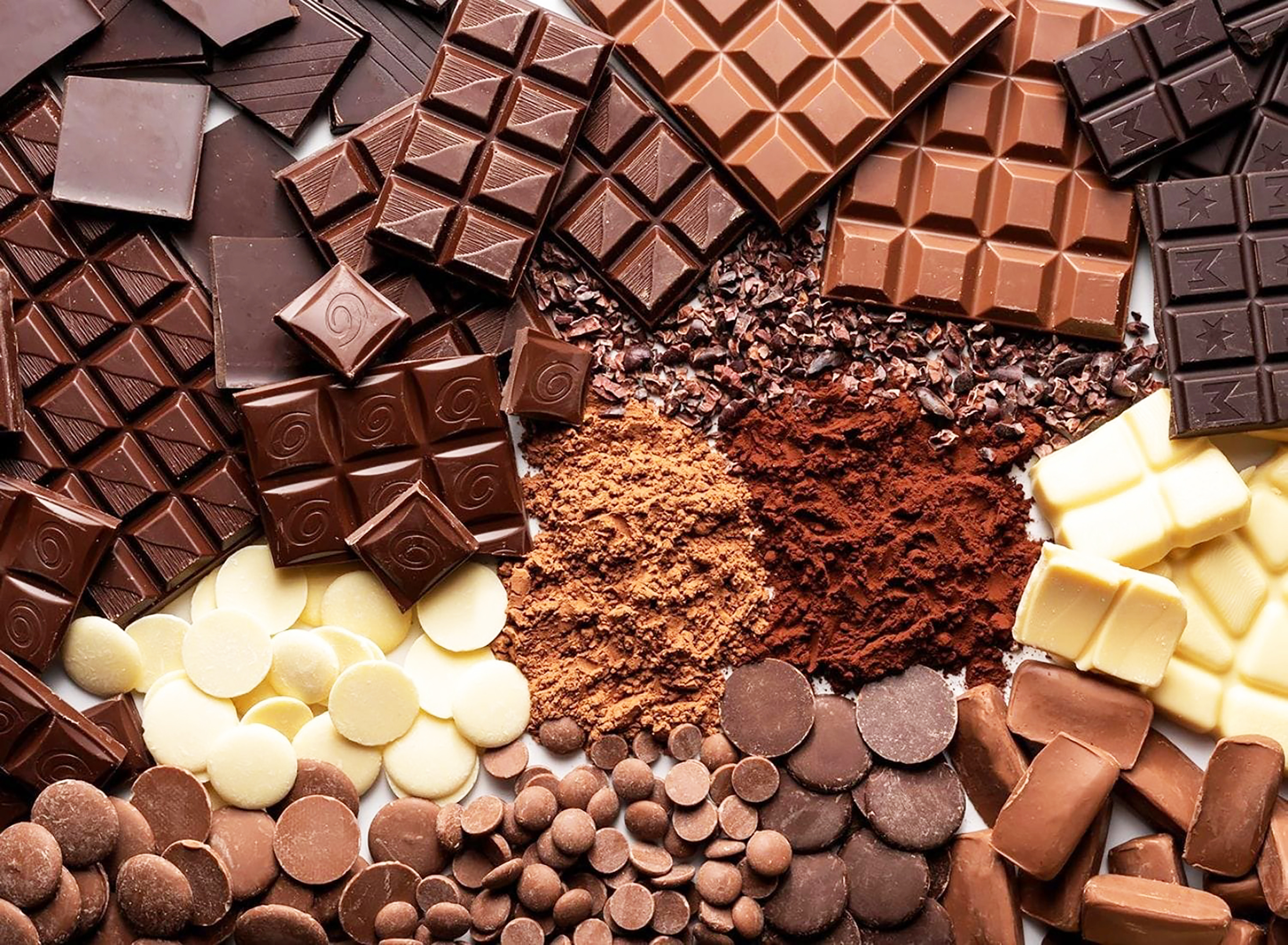
Chocolate!
One afternoon I opened a candy bar and wondered something very important. Where does chocolate actually come from? I knew it wasn’t a factory with a chocolate river and candy trees like in the movie, Willy Wonka and the Chocolate Factory. I did some research and I am taking you with me on a chocolate adventure that includes drama, secrets, and scandals.
Chocolate starts on a tree called the Theobroma cacao, or the cacao tree. Its scientific name actually means “food of the gods” in Greek. Cacao trees grow in warm tropical places like Ghana, Brazil, and Ecuador. Farmers harvest the colorful cacao pods that are about 6 to 10 inches long and shaped like a football. Inside each pod are 30 to 50 cacao beans. These beans are the beginning of every chocolate bar in the world.
Long before candy bars existed, chocolate was famous in the ancient Maya and Aztec civilizations in Mexico and Central America. The Aztecs valued cacao beans so much they used them as money. Imagine taking chocolate beans to McDonald’s to pay for your chicken nuggets. As the Spaniards conquered the area, they sent chocolate back to Europe where it became very popular. Spain now controlled the area where the trees grew. Other countries wanted chocolate and the money it brings, so they stole trees and took them to other parts of the world. The plan worked and cacao trees now grow in many countries.
Chocolate’s history now involves smuggling, secret recipes and even spy stories. During WWII, American soldiers were given chocolate bars. It was easy to carry and gave the soldiers the energy they needed. Drinking coffee and eating chocolate was the same as drinking energy drinks we have today. German spies found out about the chocolate bars and the Nazis designed an explosive device that looked just like a candy bar. The plan was, if someone broke off a piece of their candy bar, the hidden bomb would explode after a short delay. But British spies found out what the Germans were doing and the Americans were able to stop them from finishing their plan.
If you have ever seen the movie Charlie and the Chocolate Factory, it is based on real events. Companies sent spies to other chocolate factories to steal recipes. In 1909, in Hershey, Pennsylvania, Milton Hershey built an amusement park just for employees and people who lived in that town to keep them happy and keep them from stealing his recipes. Would you have ever guessed that there was a town named after a popular candy company?
Chocolate is worth billions and billions of dollars, and it is sold around the world today. The chocolate wars still go on. Spies search for recipes, truck loads of candy get stolen and chocolate has even helped a man rob a bank. Whether by itself, with peanuts, peanut butter, or crispy outer shells, people around the world love chocolate. What is your favorite candy bar?