









National Weather Service
The National Weather Service (NWS for short) is like a giant team of sky-watchers whose job is to keep us safe from dangerous weather. It’s part of the NOAA, a government agency that studies the oceans and atmosphere. The NWS has more than 100 local weather offices spread all across the United States. That means there are meteorologists, or weather scientists, working constantly watching the skies. These scientists use technology like radars and satellites orbiting the Earth that can “see” inside storms, and powerful computers to predict the weather. Every day meteorologists can be seen on television and social media, and can be heard on the radio to share every bit of information they have discovered.
So what does the National Weather Service actually do every day? First, it creates forecasts such as weather reports. These can tell you if it will rain tomorrow, how hot or cold it will be, or if precipitation is coming. Even more important than that, the NWS issues warnings for dangerous weather like tornadoes, hurricanes, floods, wind, tsunamis and blizzards. When you hear a weather alert on your phone or see a warning on the TV screen, there’s a good chance it came from the NWS. Those radars and satellites can also see where wildfires are burning.
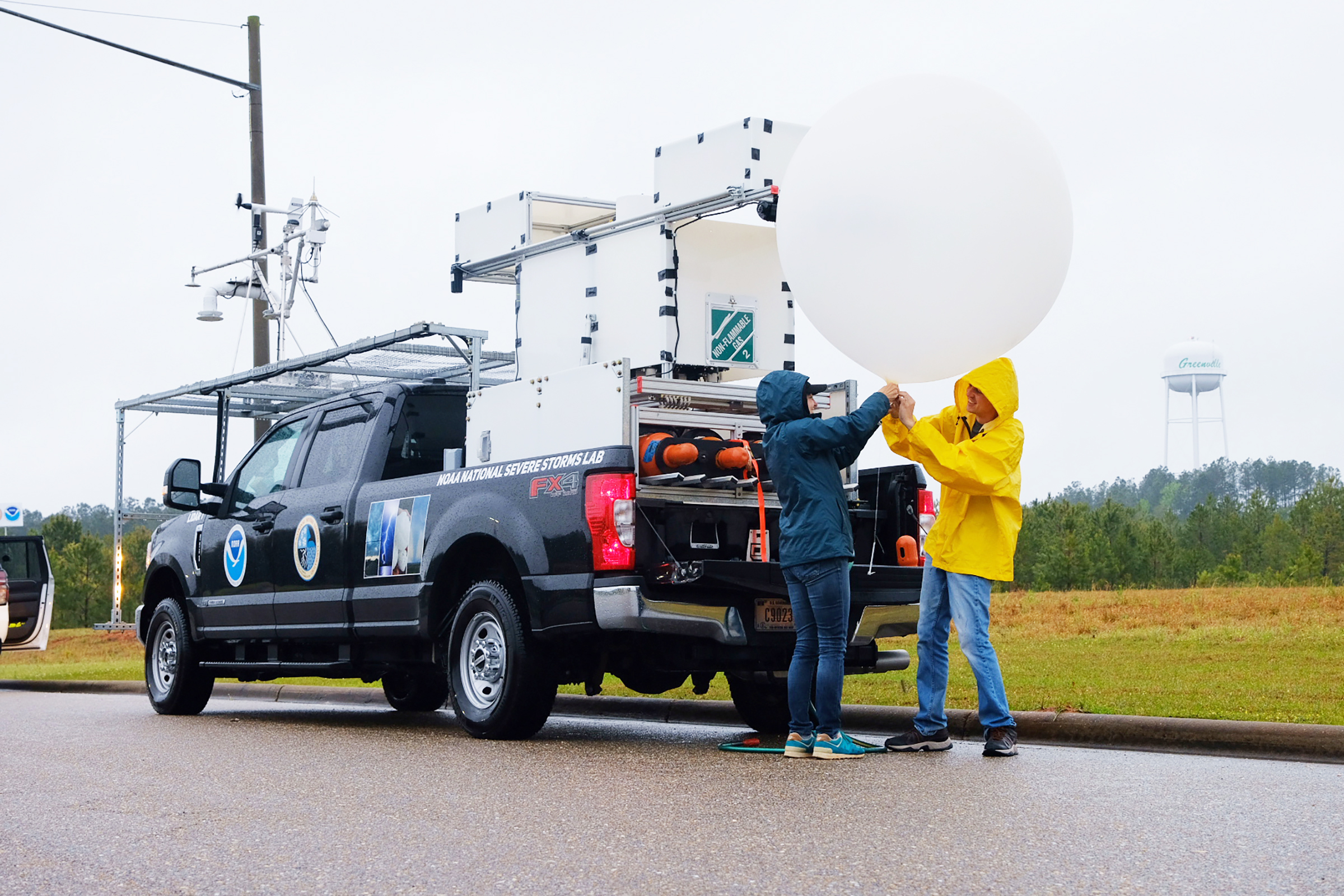
One of the most important tools the NWS uses is called the Doppler radar. This radar helps detect movement inside storms like strong winds or rotation that could lead to a tornado. They also rely on weather balloons, which are released into the sky to measure temperature, humidity, and air pressure high above the ground. Satellites orbiting Earth provide constant images of cloud patterns and storms forming over oceans and land. All of this information is fed into computer models that simulate the atmosphere, helping meteorologists predict what might happen next.
Another tool that’s used by the NWS is a military plane, the WC-130J. The United States Air Force group that flies this plane is called The Hurricane Hunters. Can you even imagine flying a plane right into a tropical storm or a hurricane? That’s what the pilot and crew does. The information they gather such as wind direction, wind speed and other data that helps people stay safe.
Why is all of this so important? The work of the National Weather Service helps save the lives of people and their pets. Imagine if no one warned people about a tornado or a hurricane. Thanks to the NWS, communities have time to prepare, take shelter, or evacuate if they need to. Even on normal days, the weather forecast helps people plan everything from trips, sports and outdoor activities. In a way, the National Weather Service is like an invisible safety team. They are always working behind the scenes to make sure we’re ready for whatever the sky sends our way.