









Holiday Foods!
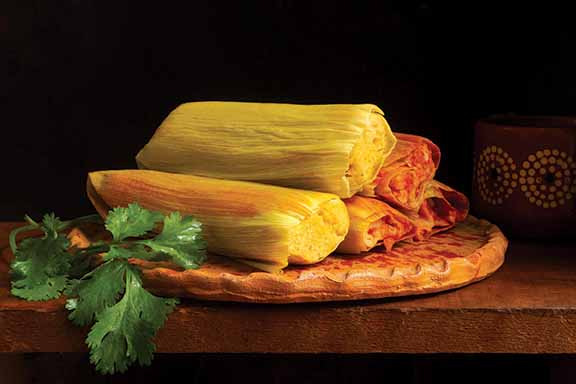
From Yule logs to sugar cookies, tamales to turkey every corner of the world has their own traditional foods during the holiday season. It doesn’t matter if you celebrate Hanukkah or Christmas, Diwali or Bodhi, religious celebrations usually end with a feast shared by friends or family. Holiday comes from the Old English word hāligdæg. Its original meaning was celebrating a special religious day, or holy day. The foods that go along with these holy days can be regional and most are historical. Let’s discover some foods from around the world.
Diwali is India’s biggest celebration of holy days. It began 2,500 years ago and is mostly celebrated by Hindus. India is in Southeast Asia. Along with many sweets one traditional food eaten during Diwali is Samosa. Samosa is a triangle piece of pastry filled with different meats. There are many Christians in Asia who celebrate Christmas who feast together. In Korea many people feast on foods we know like pizza and fried chicken. A more traditional food is Tteokguk or rice cake soup.
Much of Europe including Spain and Britain shared traditional foods with colonies like the United States, Australia and New Spain. Red Borscht and Pierogi from Poland may sit on a table next to Gingerbread Cookies. Spain brought holiday cookies and breads and took tamales back to Europe with them. Tamales have become a favorite holiday food throughout South, Central and North America as well as some spots around the world. Britain and France both brought over a version of the Yule Log. Britain shared Turkey, ham, mince pies and pastries. One traditional Christmas food that can be recognized wherever you are is the Gingerbread House, which came from Germany.
With the internet connecting so many parts of the world together we no longer share food with just friends and family. We share our food with other cultures on every continent. What is your favorite holiday food?