









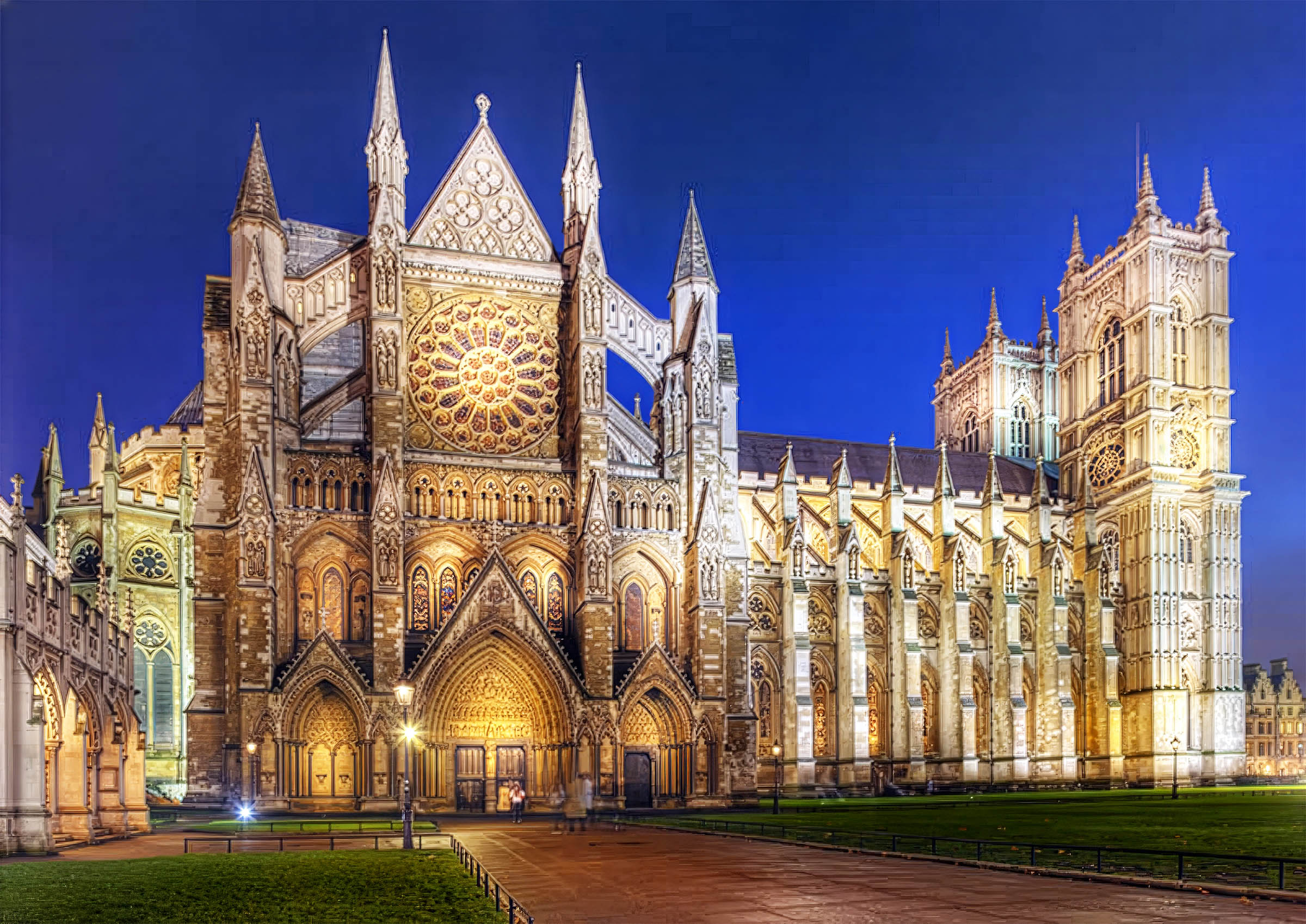
Westminster Abbey
Imagine walking into a building where kings and queens have been crowned for nearly 1,000 years, where famous scientists, writers, and rulers are buried, and where hidden stories wait behind every stone wall. Welcome to Westminster Abbey, one of the most famous churches in the world. Its towering arches, colorful stained-glass windows, and breathtaking Gothic architecture make it look like something from a fairy tale. But this incredible place holds far more than beauty. It is filled with royal ceremonies, mysterious legends, secret corners, and fascinating events that helped shape the history of England. Step inside, and you'll discover that Westminster Abbey is an old church but it is also a place where history truly comes alive.
Westminster Abbey is one of the greatest examples of architecture in the world. Giant stone columns seem to stretch toward the sky, supporting soaring pointed arches and an amazing ceiling that appears almost weightless. Stained glass windows let in fairytale lights that shine on stone carvings, hidden faces, and tiny decorative details. Millions of stones became one of the world's most beautiful and unforgettable buildings. Since 1066 this church has seen the coronation of 40 kings and queens, and the place where 16 royal weddings were held.
What if you were to learn that Westminster Abbey is not only famous for what visitors can see, but also for what is hidden behind its walls. Narrow staircases, hidden passageways, small chambers, and underground spaces that helped people move secretly through the enormous building. As construction continued over time, new rooms and passages were added, creating a maze that still surprises historians today. One of the most fascinating hidden spaces is a medieval room called the Pyx chamber. For hundreds of years priceless treasures were hidden away in this room in small chests called pyx chests. Secret doors and hidden vaults remind visitors that there may be some mysteries still waiting to be discovered.
Westminster Abbey is surrounded by stories of mystery, tragedy, and even ghosts. Kings and queens have attended funerals after battles, deadly diseases, and political struggles that changed the course of history. Some famous people buried inside met violent ends, including rulers and nobles caught in dangerous plots for power. After being beheaded Mary Queen of Scotts was buried in the abbey. Over the centuries, visitors and staff have whispered about strange footsteps echoing through empty hallways, shadowy figures near ancient tombs, and mysterious sounds after dark. No one knows if these ghost stories are true, but they have become part of the Abbey's fascinating legends.
Inside the Abbey are the magnificent tombs of England's kings and queens. Skilled artists carved marble, limestone, and other fine stone into lifelike statues, colorful shields, and detailed decorations that honored the people buried there. Westminster Abbey is part royal palace, a museum, church, and a treasure chest, where the stories of Britain's greatest kings, queens, scientists, writers, and heroes all come together under one incredible roof.