






Skin!
Did you know your skin is an organ, not the kind of organ that plays music, but an organ just like your heart, stomach and lungs. As a matter of fact it is the largest organ in, or rather on the human body. Unlike most of your organs, your skin has many jobs to do. The nerves in your body are in your skin and help you feel things around you. Your skin helps your body from being too hot or too cold. It also helps protect your organs, bones and other parts from the environment outside of your body that might cause harm. Its most important job is holding us together. Without our skin, everything would fall out. Eww!! Just think without your skin you could see everything. You wouldn’t want to walk around with all of your inside parts naked would you?
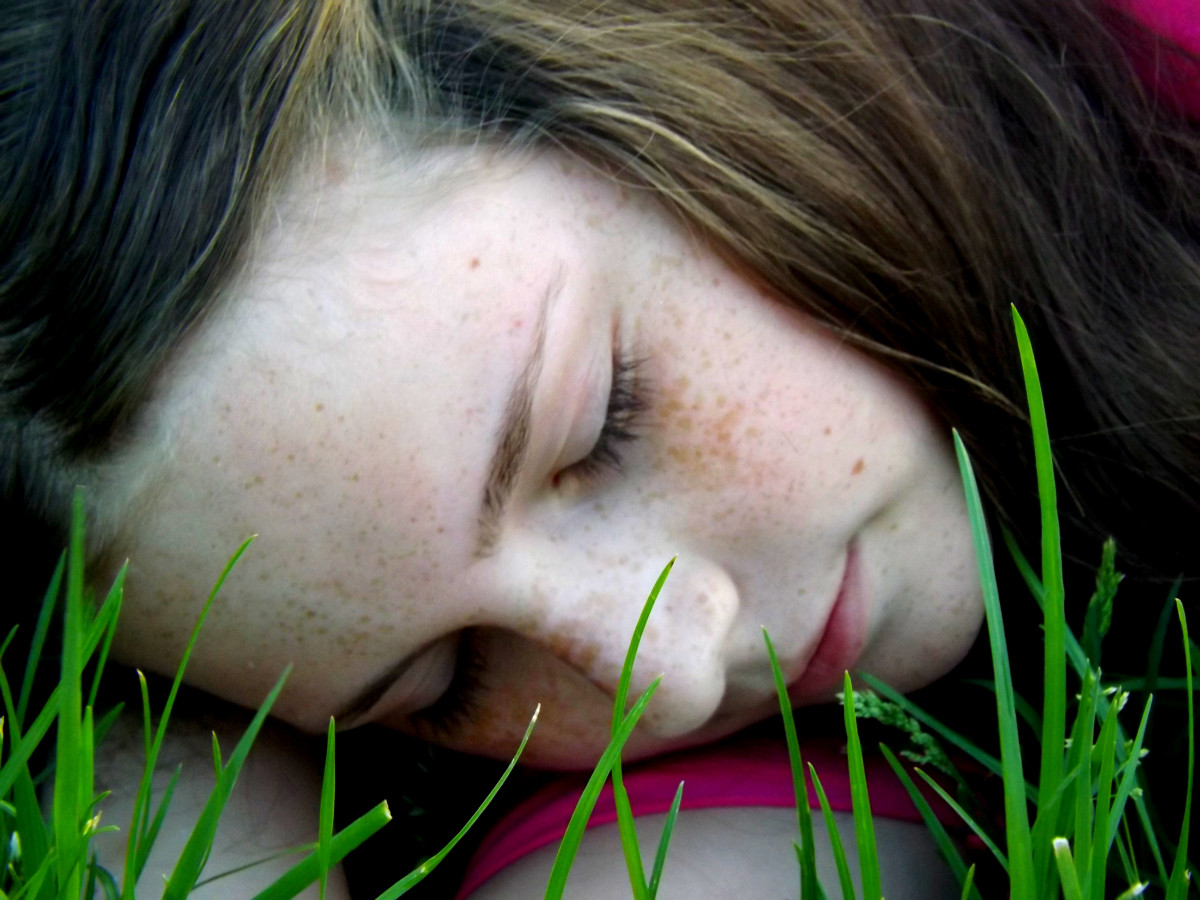
Did you know that if you look at your skin, you can only see part of it? The skin has three layers and each layer has a job to do. The three layers of your skin, starting from the outside in, are the epidermis, then the dermis and after that the hypodermis. Each one of these layers have a different job to do. The outer layer of skin that you can see, the epidermis, is the strongest layer. It works to provide protection from germs, the elements like wind, rain and the sun. Did you ever wonder what makes your skin the color it is? Melanin inside your outer skin, or epidermis, decides that. The more melanin you have, the darker your skin is. Freckles are one result of melanins. The epidermis isn’t just the strongest layer but it is the thinnest layer of skin.
If you peeled away your epidermis to show the next layer, you would see the dermis. Without the dermis you would not be able to feel anything and you would not have hair. Can you imagine everyone in the world being bald? The middle layer of skin has all of your hair follicles. The two types of nerve endings that send messages to your brain are in the dermis. The sensory nerves send impulses to the brain telling your skin, nose and eyes what to do. For example if you cut yourself, these nerve endings send the sensation of pain to your brain. While sensory nerves travel up your spine with messages to the brain, motor nerves travel down your spine. These nerves tell your heart to beat, your digestion system to work and they tell your lungs, eyes and muscles to move.
Under the dermis is the hypodermis. This layer is like the others and has its own jobs to do. It connects your skin tissues to the bones, provides insulation, carries blood to the dermis and keeps you from getting too hot or too cold.