






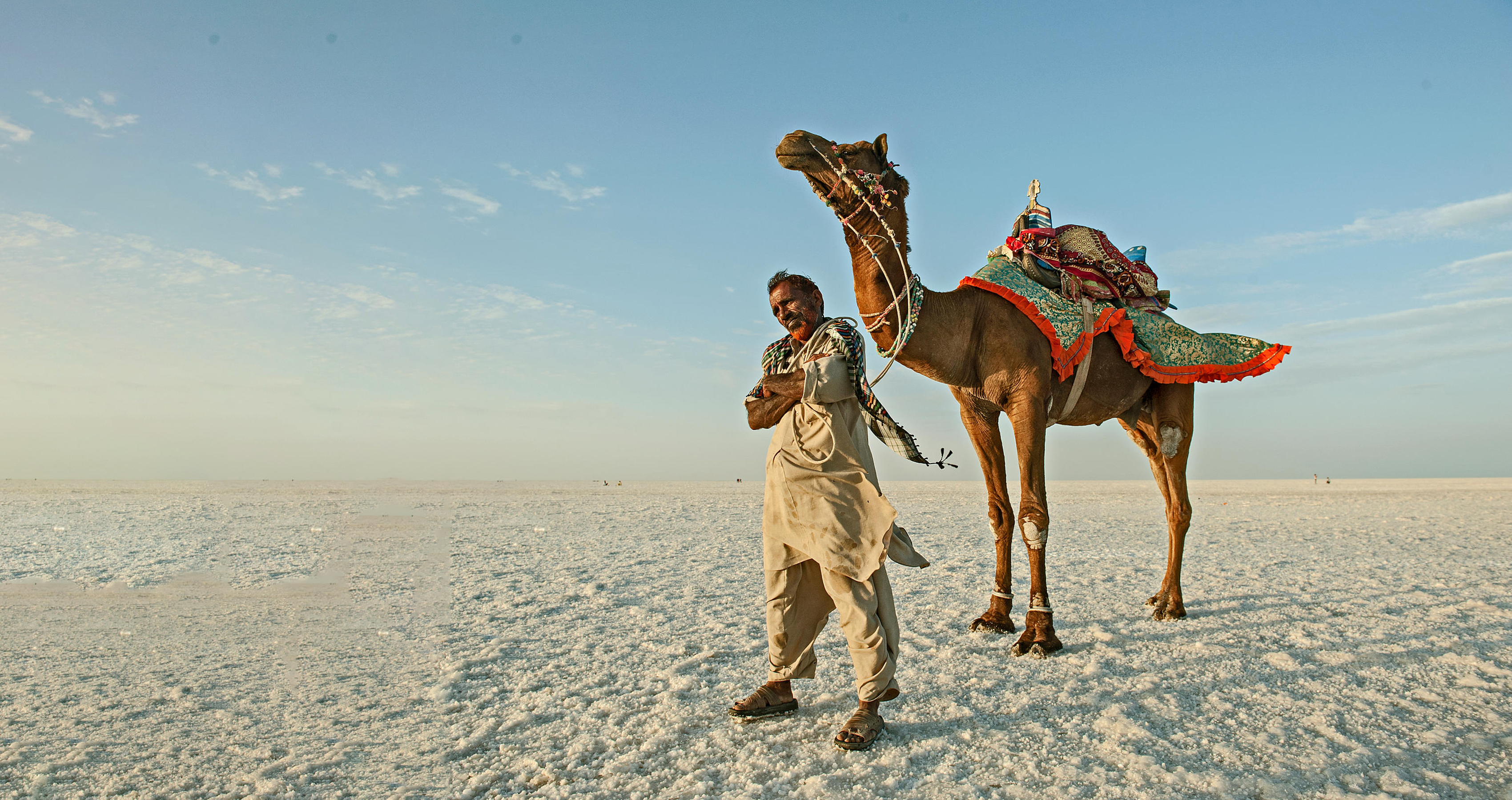
Dromedaries
There are animals with funny faces, important jobs, and who are expert travelers. Many animals fit one or more of those categories, but did you know there is one that fits them all? Camels and dromedaries are some of the coolest creatures in the world. They can walk for miles in the hot desert, carry heavy loads, and go days without water. Some even run in races, and others live wild in places you might not expect, like Australia and even in the United States.
They are amazing animals, built for living in hot, dry deserts where plants are scarce. A lot of us were taught that a camel’s hump stores water, but that isn’t true at all. The hump stores fat that gives them energy when they can’t find food. They can survive for several months without food, and can go a week or more without water. The length of time a camel can survive without food depends on the amount of fat stored in its hump and its activity level. Most people I know can’t even go without food for a single day.
Not all camels are dromedaries, but all dromedaries are camels. Did I confuse you yet? There are two main species of camels, the dromedary and the bactrian. Dromedaries have one hump, and bactrians have two. There are more differences than how many humps they have. Dromedary and Bactrian camels generally don’t live in the same areas. Dromedaries are primarily found in North Africa and the Middle East, while Bactrians are native to Central Asia. If you think of a football game and the two types of camels are on different teams, dromedaries are winning by a long shot. The world’s population of camels looks like the bactrians are taking a thrashing with a score of 94 to 6. These numbers are a little concerning and the bactrian, or two humped camels, are considered endangered.
If camels are from North Africa, the Middle East and Asia how did they end up living in places like the United States and Australia? In the 1800’s the U.S. Army conducted an experiment. They wanted to see if camels would be better in the North American deserts of the southwest than animals like mules and horses. 75 camels were imported. They were stationed at Camp Verde, Texas, and became known as the Camel Corps. A lot of the soldiers didn’t like the camels, and along with other reasons, the experiment ended. Most of the Camel Corps animals were sold off to circuses or released into the wild. The last wild camel that was seen In the United States was in 1941. In the 1800's 5,000-10,000 camels were imported to Australia to make exploration of that continent easier. However, cars and trucks eventually took their place and camels were released into the wild. The camels found the climate in Australia easier to adapt to than the North American climate. There are more than a million camels living on the Australian Continent and they are considered an invasive species.