









Optical Illusions
Have you ever been confused? Confusion is when you don’t understand something or when you can’t think clearly. Did you know that your brain is like having a massive computer in your head? It takes a lot of parts to make the computer work. Think of it like little roads that all go into a main highway. The small roads, or nerves, go all over your body and merge into a super highway called the central nervous system. The central nervous system runs up your spine into your brain. It tells your brain what to do, what you feel and what you see. There are times when the message the nerves are sending doesn’t really make sense. An illusion is a type of confusion. It is when the nervous system sends a message to your brain that tricks us. An optical illusion is when your eyes trick your brain into thinking something is different than what is really there.
How can your eyes tell you something is different from what you see? It's all a matter of shape, size, patterns and color. Our eyes and brain speak to each other through the optical nerve. There are times when your optic nerve is trying to tell the brain something and the brain doesn’t understand the information. It’s like they are speaking two different languages. When that happens the brain has to guess what the eyes are trying to say.
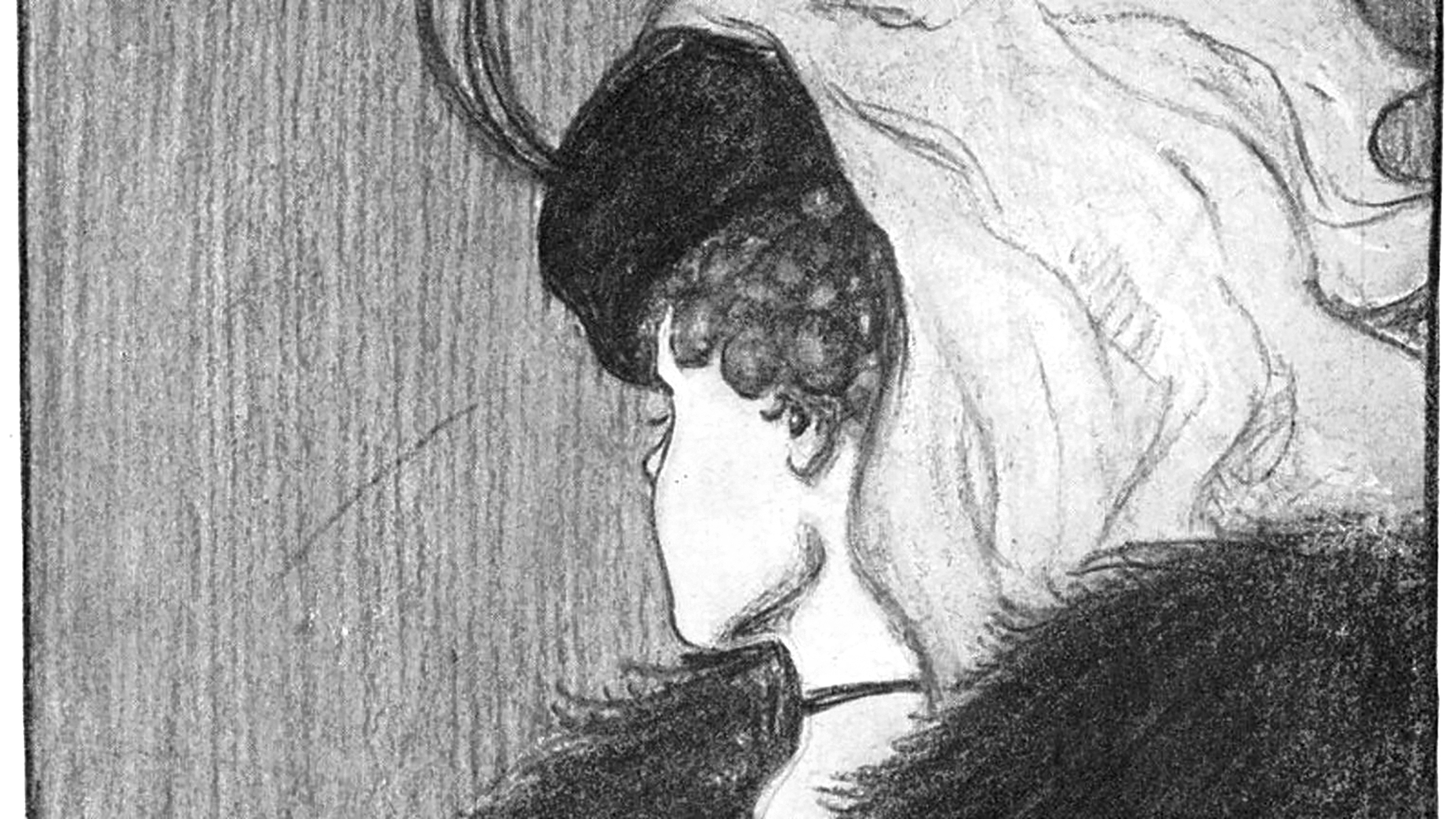
On November 6th, 1915 an artist named William Hill published a picture in a magazine. The name of that picture was “My Wife and My Mother-in-Law.” This picture that was drawn in 1888 has confused many people. Can you see two different people? Scientists have studied the picture that shows two women. What they found is most people look at the top of a picture first and then move their eyes down. That means that most people see the young woman first. The other thing scientists noticed is that young people see the young lady first and older people see the older lady first. Which one did you see first? Did you see them both? Another drawing from over 100 years ago is “A Vase or Two Faces”. Which do you see?
Optical illusions can be drawn using colors, shapes and size but did you know that mother nature can cause optical illusions? Have you ever been riding down a road or into a desert, and it looks like there is a pool of water, or the car next to you starts moving forward but it seems like your car is rolling backward? These are just cases of your eyes tricking your brain! Just another optical illusion, or is it? What seems real is not always real!