









Ghost Towns!
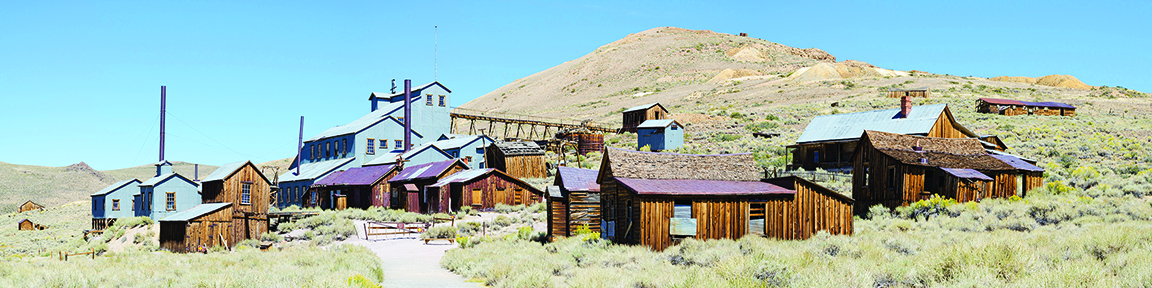
Maybe you have heard the phrase, ghost town. What exactly are ghost towns and do they really exist? Are there really ghosts in ghost towns? Can you visit a ghost town? Where are they? Why are they there?
Ghost towns are towns that used to exist, but for one reason or another everyone moved away. When most people think of ghost towns, they think of the wild west that we see in movies or on tv. There are ghost towns in almost every country and on almost every continent. There is even a ghost town island in Japan. Ghost towns are not something new. There are ghost towns that are thousands of years old, like Petra, in Jordan, and Chaco Canyon, in the American Southwest, that archeologists are studying today. Modern ghost towns exist as well – abandoned homes that still have possessions in them, cars parked in driveways and empty playground equipment at the schools and parks.
When you get to a ghost town you know it. It feels strange. Like an eerie setting for a movie. Overgrown vegetation, dusty streets and abandoned buildings that are too quiet. Many ghost towns were prosperous mining towns and when the resources in the mines ran out, the people moved away to work somewhere else. These are called boomtowns. The American West is dotted with boomtowns that are now abandoned. People moved quickly to places like Sutter’s Mill and the surrounding area in California. The Gold Rush brought in railroads, miners and families. When they found out they weren’t going to get rich, the people moved on to another town. An example of this is Bodie, California.
Modern ghost towns exist as well. Some have been abandoned because of environmental concerns. Picher, Oklahoma was a booming mining town. The area was loaded with lead and zinc. After many illnesses were reported the government found many of the people had high lead levels in their blood making them sick. In 2009, the government started paying people to move away so they could clean up the area. Then a large tornado hit and the last residents left. Another modern ghost town is Pripyat in the Ukraine. Pripyat was built to house the people that worked at the Chernobyl nuclear power plant. When the nuclear reactor at the power plant failed, Pripyat was exposed to radiation and many people got radiation poisoning. The area is still radioactive.
Almost every ghost town has a ghost story. People claim to have seen shadowy figures in buildings or on the streets. Voices of people talking, singing and crying can be heard by some. Some people have claimed they have seen things move, like curtains in a window or doors opening and closing. I think it all depends on if you believe in ghosts. If you go to a ghost town and see a ghost let us know!