






New Years Traditions
People all around the world celebrate the New Year because it marks the start of a fresh calendar year. It is a time when many people think about the past and make plans for the future. Families and friends often gather together to count down the final moments of the old year and welcome the new one. The date for New Year celebrations was decided long ago. In ancient times, different cultures began their year at different times based on seasons or the moon. In 46 BC, the Roman leader Julius Caesar created a new calendar called the Julian calendar. He chose January 1 as the first day of the year to honor Janus the Roman god of beginnings and doors. This decision later influenced the modern calendar used by much of the world today.
Many countries celebrate the holiday with truly weird, unusual and fun traditions. Many believe that bad luck from the old year can follow people into the new one unless it is chased away. In some cultures, people believe in something called the evil eye which is thought to be negative energy caused by jealousy or unkind thoughts. To protect themselves, families may light candles, make loud noises or wear special charms at New Years. These traditions are meant to clean the slate so the new year begins with safety, hope and positive energy rather than fear.
In Greece, people hang blue eye symbols or charms to block bad luck. ‘
In Brazil, many people wear white and jump seven waves at the beach for luck.
In Japan, temples ring bells 108 times to welcome a clean start.
In Romania, villagers dress in real or fake bear costumes and dance to chase away bad spirits.
In Denmark, it's considered good luck to smash plates and lerave the broken piecfes on your neighbor’s doorstep.
In the Philippines, people wear polka dots because circles are believed to attract wealth.
In Spain, at midnight, people eat 12 grapes, one with each chime of the clock.
In Siberia, divers swim under frozen lakes to plant a tree at the bottom for good luck.
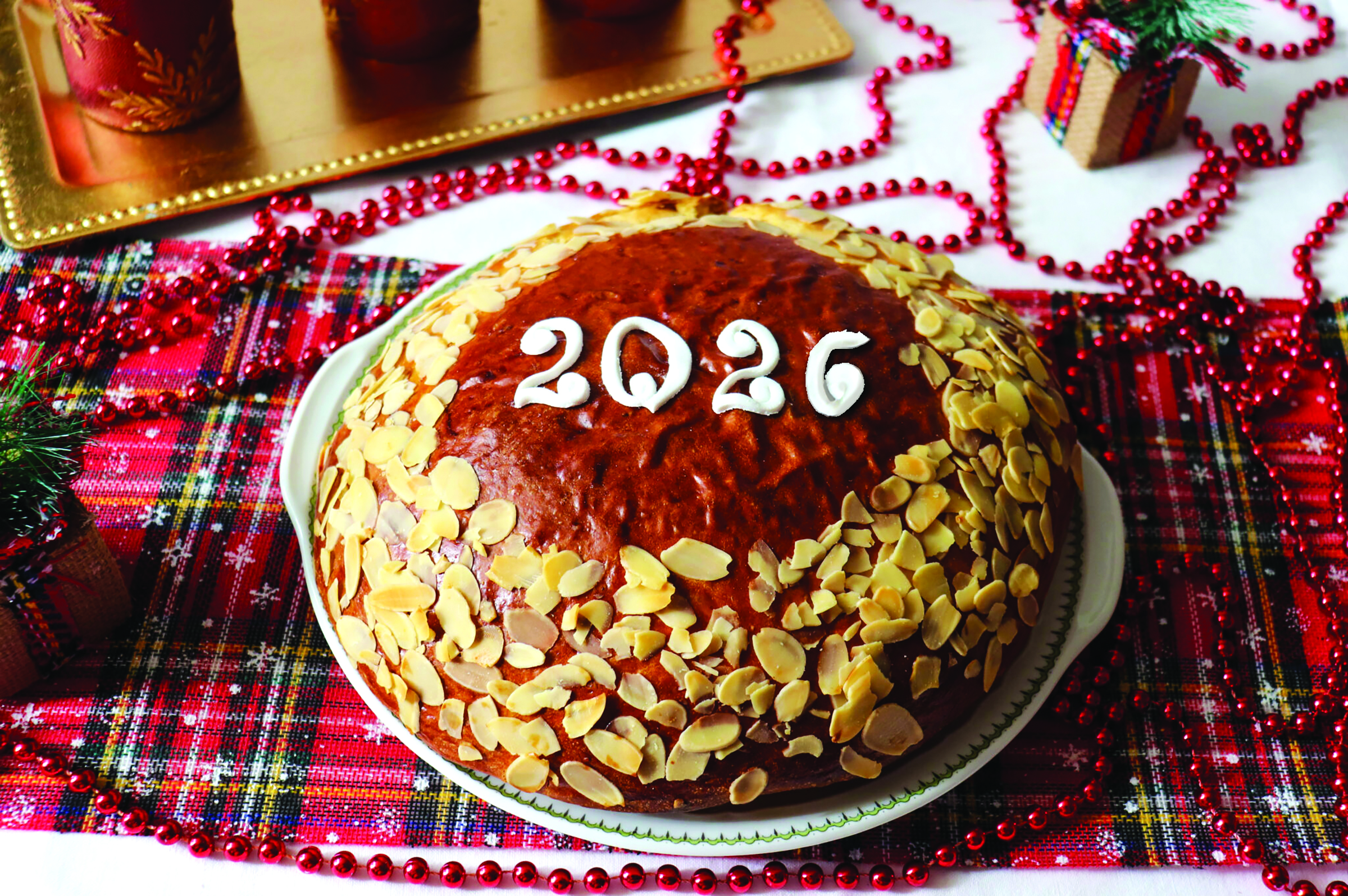
In many European countries, bread is made with a coin hidden inside. Whoever gets the coin will have luck for the coming year.
As the New Year arrives, it is fun to think about the traditions your own family follows. Do you stay up late, count down the seconds together, or enjoy a special food that only appears once a year? Cultural influences often shape how people celebrate because traditions are passed down through families and communities. Some customs come from long ago while others are created at home and shared with pride. As you learn about celebrations from other countries, you may notice differences and similarities. Thinking about these traditions can help you appreciate your own culture while also respecting and enjoying the many ways people around the world welcome a new year.