






Jaguars!
Deep in the thick jungles of the Amazon Rainforest, a powerful hunter moves like a ghost. It doesn’t make a sound and you won’t hear it coming. You might not even see it. But it’s there blending into its habitat. The mighty jaguar is one of the most mysterious wild cats on Earth.
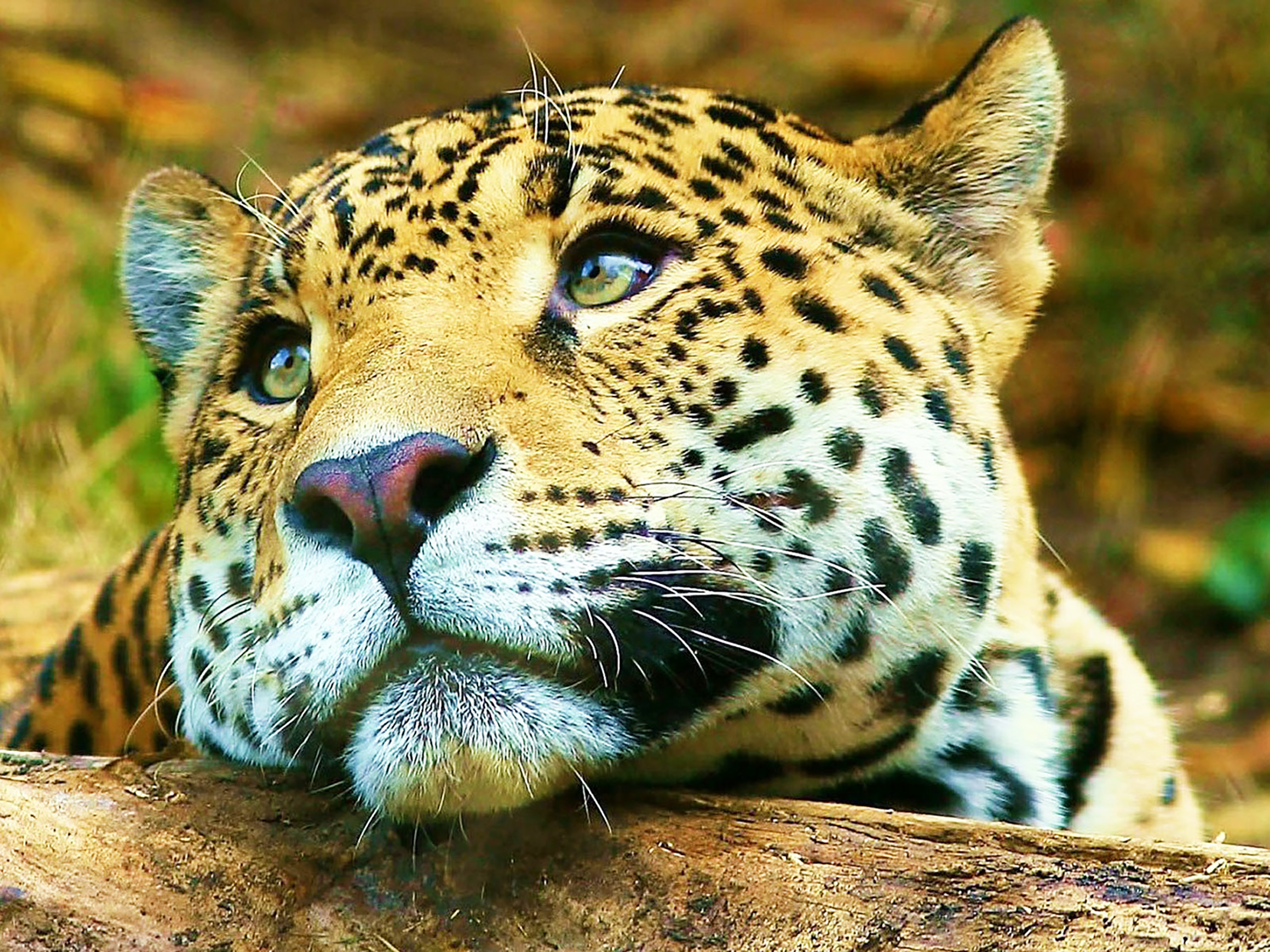
Looking at a picture you may not immediately be able to tell the difference between jaguars and leopards. However, if you run into one in the wild you will know immediately which wild cat you are looking at. Leopards live in Africa and jaguars live in warm places across Central America and South America. They love dense forests, swamps, and rivers. Unlike many cats, jaguars are strong swimmers and often hunt in water. Fish, turtles, and even caymans can become their prey. Their golden coats are covered in black spots called rosettes, which help them blend into the dappled sunlight of the forest.
Not all jaguars look the same. Some are so dark they almost appear black! These are called melanistic jaguars, often known as “black panthers.” If you look closely, you can still see their spots hidden in the darkness. The darker color variation helps them stay even more hidden during nighttime hunts. No matter what color they are, the jaguar is the third largest wild cat in the world. Being the third largest in size doesn’t mean it is less of a danger. This big cat has the strongest bite of any cat on Earth. Its bite is even more powerful than a lion’s.
Jaguars are mostly solitary animals, meaning they live and hunt alone. Each jaguar has its own territory, which it marks to keep others away. The only time jaguars come together is to mate. After that, the mother raises her cubs by herself. She teaches them how to stalk, pounce, and survive. Jaguar moms are very protective and will fiercely defend their young.
Are jaguars endangered? Jaguars are currently listed as near threatened, which means they are not endangered yet, but they are at risk. Humans have cut down forests, built roads, and hunted jaguars, shrinking their habitat. Did you know that these cats used to live as far north as the American southwest in states like Arizona and New Mexico? Right now, the biggest population of jaguars is in the Brazilian rainforest. Scientists are working hard with governments to protect these animals and the places they live.
Jaguars are a key part of the ecosystem. By keeping animal populations balanced, they help the forest stay healthy. Without jaguars, the jungle would change in ways we might not expect.