






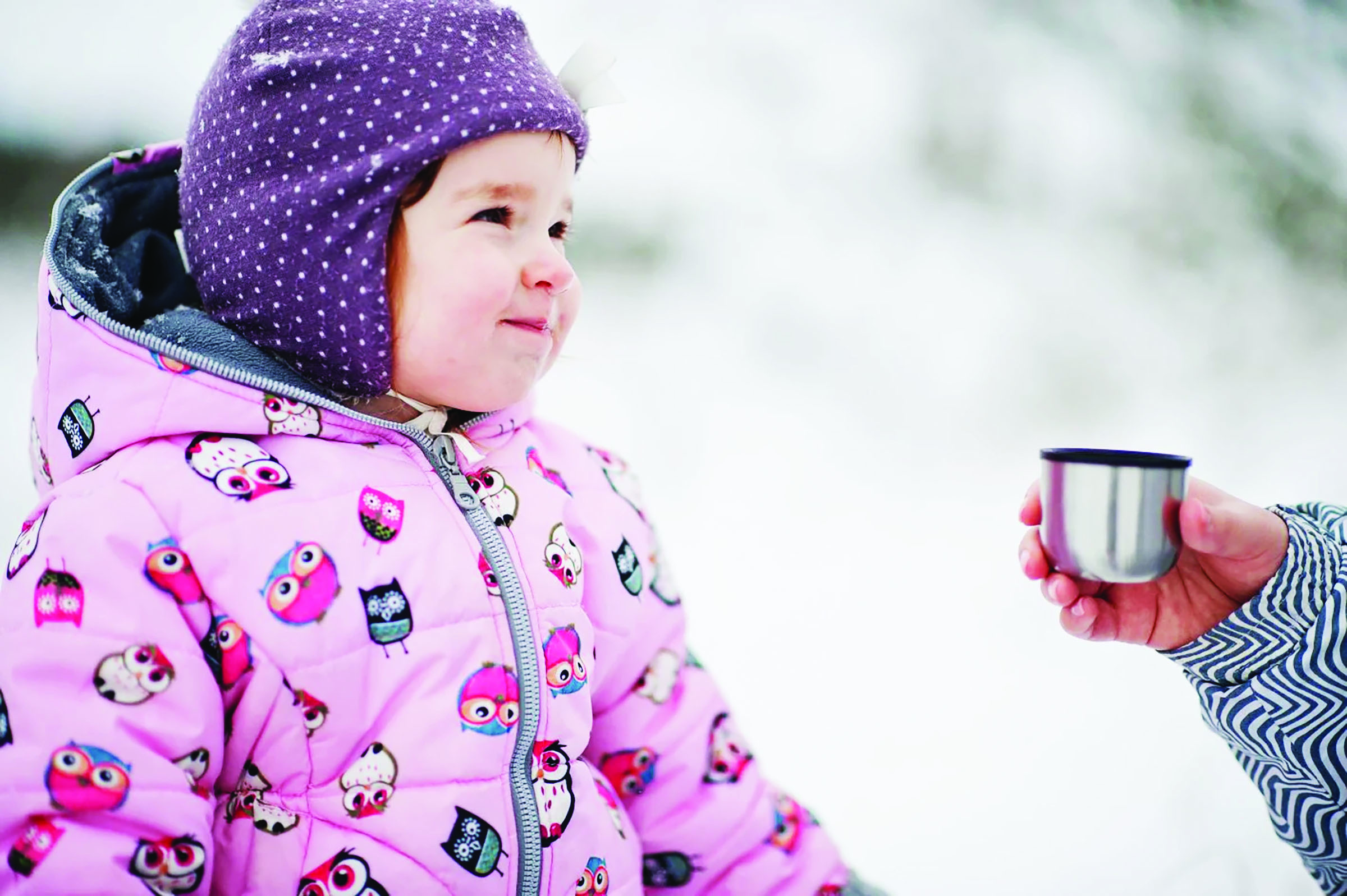
Hypothermia!
Have you ever played outside on a freezing day, gone skiing, ice skating or tubing? After a while did your fingers get so cold you could hardly move them or feel them? That is your body warning you that it’s losing heat too quickly. The term for this is hypothermia. Hypothermia happens when a person’s body temperature drops below normal. This temperature is anything below 95°F. Your body is like a furnace; it works best at about 98.6 degrees. When it gets too cold, your heart, brain, and other organs can’t work properly. Hypothermia is more than just feeling chilly, it’s a medical emergency that needs help right away.
Hypothermia usually happens when someone is in the cold for too long or gets wet in cold weather. For example, if a person falls into icy water or plays outside in the snow without warm clothes, their body can lose heat faster than it can make it. Even cool rain or windy weather can cause hypothermia if someone is not dressed properly. Children and older people get hypothermia more easily because they cannot regulate their body’s temperature as well. Campers, hikers, and even lost pets can suffer from it too!
The first sign of hypothermia is shivering. Shivering is your body’s way of trying to warm itself up. As hypothermia gets worse, you might stop shivering, feel tired or confused, or you may slur your words. Your skin can turn pale or bluish, and your pulse and breathing slow down. Sometimes, a person with severe hypothermia may even seem sleepy. For example, a skier stuck in a snowstorm might start stumbling and mumbling before lying down because their body is shutting down from the cold.
If someone has hypothermia, it’s very important to get them warm quickly and call for help. Get them indoors or to a sheltered place. Remove any wet clothing and wrap them in blankets or coats. Warm drinks like hot chocolate or soup can help if they’re awake. Emergency workers or doctors may use special warming blankets or machines to raise a person’s temperature. The key is to warm them slowly because too much heat too fast can be dangerous.
If hypothermia isn’t treated, it can be life-threatening because the heart and brain can stop working. But most people recover if they get help in time. The best way to avoid hypothermia is to dress in layers, stay dry, and go indoors if you start to feel too cold or numb. Always tell an adult if you see someone shaking, stumbling, or acting strangely in the cold. Hypothermia can be scary, but it’s also something we can prevent with smart choices! For more information watch the videos we have linked.